


Call for expert advice
1300 887 590
Sales:
Sales: 7:30am-5pm Mon-Fri AEST | Closed on Saturday & Sunday
Aftersales:
Aftersales: 9am-5pm Mon-Fri AEST
Choose Cruise Expert

DREAMAWAY Package# 18814613
From Fuji to Futuristic Shores
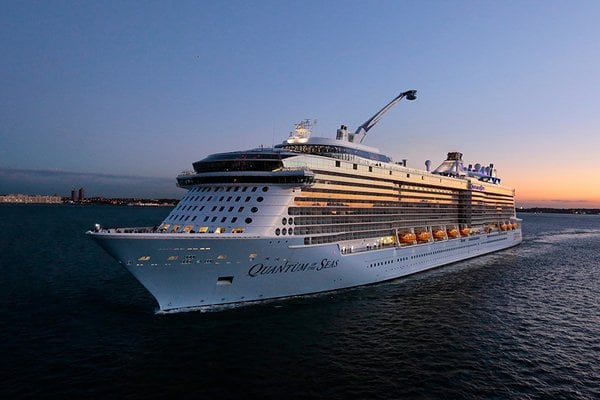
17 nights, 9 ports with the Quantum of the Seas
Services
Load more
Dates & Prices
 Please wait
Select a date from the drop-down
Cabin
Please select one of the following cabin types
Cabin type
Journey Overview
Please wait* Whilst all information is correct at the time of publication, offers are subject to change. Please note that many of the prices shown on this website are not shown in real time. While we endeavour to keep our pricing as up-to-date as possible, the advertised prices shown here may differ slightly from the live prices in our booking system. Our agency reserves the right to correct errors without penalty.
Overview
Itinerary
Included Services
Ship
Decks
% Reviews
Itinerary
Day
port
Info
1
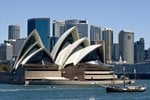
Sydney, Australia
Flight to Tokyo with major airline
2
Tokyo
Arrival in Tokyo, Welcome to Tokyo, Japan! Upon arrival, your tour director will greet you and escort you to your hotel for check-in.
3
Tokyo
<b>Meal: Breakfast</b><div><span style="background-color: transparent; font-size: 1rem;">After breakfast, embark on an exciting full-day tour of Tokyo.</span><div>Begin with a visit to Sensoji Temple, Tokyo’s oldest and most colourful temple, followed by a stroll along the lively Nakamise Shopping Street, lined with traditional snacks and souvenirs.</div><div>Next, ascend the iconic Tokyo Skytree for breathtaking panoramic views across the city skyline. Stop for lunch (own account), then enjoy a leisurely afternoon at Ueno Park, a beloved cultural hub known for its museums and cherry blossoms.<br><br></div><div>Your final stop is Ginza, Tokyo’s glamorous shopping district filled with luxury boutiques, sleek cocktail lounges, and world-class sushi bars.</div></div>
4
Tokyo
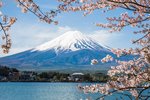
<b>Meals: Breakfast, Dinner</b><div>This morning, your luggage will be loaded onto the coach before departing for the Imperial Palace, the primary residence of Japan’s Emperor. Afterwards, enjoy a short walk (approx. 10 minutes) to Tokyo Station to board the Shinkansen bullet train to Odawara.</div><div>Upon arrival, explore the historic Odawara Castle, an impressive remnant of the feudal era. Continue to Lake Ashi in Hakone National Park for a serene cruise surrounded by lush mountain landscapes, including Mt. Fuji and Mt. Komagatake.</div><div>Then, travel by road to Mt. Fuji’s 5th Station, located 2,300 meters above sea level.</div><div>Weather permitting, enjoy sweeping views of the mountain and surrounding lakes. Discover quaint shrines, torii gates, and charming souvenir shops.</div><div>Conclude the day with a scenic ride on the Mt. Fuji Panoramic Ropeway (also known as the Kachi Kachi Ropeway) offering stunning views over Lake Kawaguchi and its mountainous backdrop.</div><div>Check in to your accommodation in the Mt. Fuji region and enjoy a delicious local dinner.</div><div><br></div><div><b>Tokyo Imperial Palace</b></div><div>Japan's Imperial Palace is regarded as the heart and soul of Tokyo and stands on a huge site that still bears the remains of Edo Castle, stronghold of the Tokugawa Shogunate. The present palace was completed in 1888 and is still home to the emperor of Japan.</div><div>The palace is off-limits, but its grounds and surrounds provide a much-needed green space for the city with Higashi Gyoen, site of the Edo Castle Keep, open to the public.</div><div>On January 2nd and December 23rd each year, visitors can enter the inner grounds and see the imperial family make public appearances from the balcony.</div><div>Guided tours of the palace are offered but only in Japanese, although an English pamphlet and audio guide are provided. These tours must be reserved through the Imperial Household Agency.</div><div><br></div><div><b>Mount Fuji</b></div><div>The dormant volcano of Mount Fuji has been revered since ancient times, its symmetrical 12,388-foot (3,776m) snow-crowned summit as symbolic as the country's own flag. It features in poetry and art through the ages and is considered a holy site in Japanese culture. The highest mountain in Japan, it has many historical and mythological associations, with ancient samurai using the base of the mountain as a remote training area. The closest town to the volcano is Fuji Yoshida, from which buses leave frequently for the most popular hiking routes. There are six trails to the summit, of which the Kawaguchiko Trail is the easiest, being quite manageable even for children and the elderly.</div>
5
Mt. Fuji
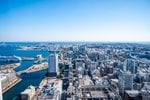
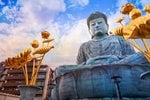
<b>Meal: Breakfast</b><div>After breakfast, travel to Kamakura to visit Hase-dera, one of Japan’s most revered Buddhist temples, known for its beautiful gardens and the enormous wooden statue of Kannon, the Goddess of Mercy.</div><div>Following your visit, transfer to Yokohama Port and board your cruise for the next leg of your journey.</div><div><br></div><div><b>Kamakura</b></div><div>The city of Kamakura was the political powerhouse of Japan during the Middle Ages and the seat of government for most of the 13th century. Because of its historic importance, it boasts numerous monuments, temples, and shrines. As a bonus, the city sports sandy beaches and good hiking trails in the nearby wooded hills.</div><div>One of the most important sites of interest is the Great Buddha: a bronze statue of the seated Amida Buddha located in the grounds of the Kotokuin Temple. Cast in 1252 and standing almost 44ft (13,35m) high, it's the second largest Buddha statue in Japan after that found in the Todaiji Temple in Nara.</div><div><br></div><div><b>Yokohama/ Tokyo Port</b></div><div>The main reason for visiting Yokohama is to marvel at its futuristic new city centre and perhaps take a stroll through Japan's largest Chinatown. Entered through four colourful gates and teeming with restaurants and shops, Yokohama's Chinatown developed after the city became one of the first Japanese ports to be opened to foreign trade after isolation ended in 1859.</div><div>Chinese traders flocked to the city, establishing a cultural neighbourhood. Minato Mirai is the new central city area around the harbour, characterised by the Landmark Tower, rising to 971ft (296m). Visitors can ride to the observation deck in the world's second fastest elevator for a view that can stretch as far as Mount Fuji.</div>
5
Yokohama (Tokyo), Japan
Embarkment
6
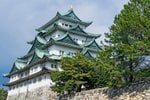
Nagoya, Japan
7
Kobe, Japan
8
Cruising
9
Okinawa, Japan
10
Cruising
11
Hong Kong, China
12
Cruising
13
Cruising
14
Cruising
15
Singapore
Disembarkment, Overnight stay in a hotel
16
Singapore
Overnight stay in a hotel
17
Singapore
Flight to Sydney, Australia with major airline
18
Sydney, Australia
Arrival in Sydney, Australia